PING PONG BALL EXPERIMENT

Mostrando entradas con la etiqueta EXPLORA. Mostrar todas las entradas
Mostrando entradas con la etiqueta EXPLORA. Mostrar todas las entradas
martes, 22 de mayo de 2018
martes, 15 de mayo de 2018

martes, 8 de mayo de 2018
Milk and lemon experiment
Milk and lemon experiment
HECHO EN CLASE


Conclusion: milk contains casein. The proteins in the milk denature and curd.

miércoles, 2 de mayo de 2018
BUBBLES
BUBBLES

 MATERIALS:: GLASS BUBBLES AND STRAWS
HECHO EN CLASE


Se puede hacer directamente con el liquido de hacer pompas ya hecho.
martes, 24 de abril de 2018
Magnet discovery bottle
Magnet discovery bottle
Materials: clips, magnet, plastic bottle
Magnet:
it's a body,as a piece of iron or steel, that possesses the property of attracting certain substances, as iron.
Hecho en clase

What Makes a Magnet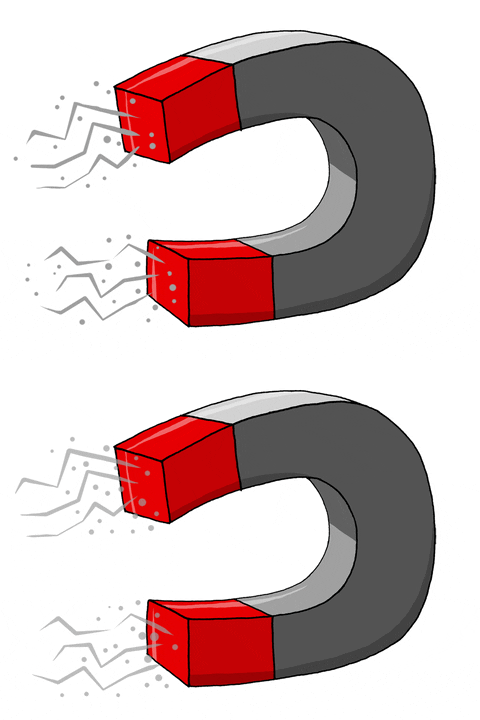
Magnets come in two types. Electromagnets are created by applying electricity to a conductive material like iron. Natural magnets can be anything from the Earth itself, including individually magnetized rocks like lodestone. Scientists don't understand how the electrical current that magnetizes the Earth and some of its rocks is produced.
Magnetic Fields
If you hold a magnet under a piece of paper and sprinkle iron filings on the paper, the filings seem to dance around and eventually settle in a rough oval around the magnet. They are aligning themselves with the magnetic field, or the path the magnet's electricity takes to get from one end of the magnet to the other. These fields of electricity are like closed circles rotating through the magnet. Magnetic fields are the reason magnets are either repelled from or attracted to each other.
Magnetic Poles

All magnets have a north and south pole. These poles are created by the fields of electricity moving through the magnets. Electricity enters the magnet at the south pole and exits it at the north pole. This is why like poles repel each other. Electricity exiting one north pole can only bump up against another north pole; it can't enter it. And it's the same story at the south pole: Electricity can only enter at the south poles, so two south poles are forced apart. However, if you line the south pole of a magnet up to the north pole of another magnet, the energy exiting the north pole of the first magnet can travel into the south pole of the second magnet, in effect creating a new magnet.

miércoles, 18 de abril de 2018
Bichito en clase
Bichito en clase
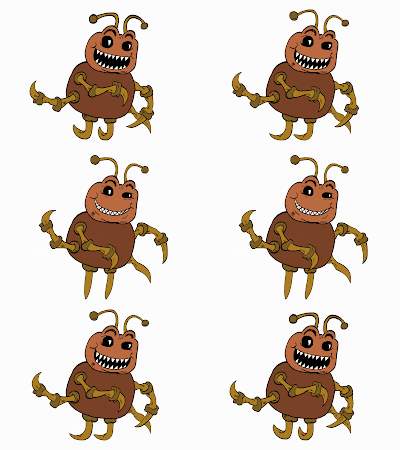
Mientras en clase nos disponemos a clasificar diferentes hojas y flores, nos hemos encontrado un bichito saltarín y hemos decidido observarlo en el microscopio (de N), esta es la imagen


DESCUBRIENDO LA TINTA EN EL AGUA
TINTA EN EL AGUA
Ponemos la punta de un rotulador dentro del agua en el vaso. La tinta fluye por el agua.


martes, 17 de abril de 2018
Static electricity experiment
Static electricity experiment

First experiment of the video
MATERIALS:
a bottle and a straw
Process:
if we rub the straw with your clothes, the straw charges with static electricity
HECHO EN CLASE


martes, 10 de abril de 2018


lunes, 9 de abril de 2018
CUENTACUENTOS
CUENTACUENTOS 
¿Quieres ser un cuentacuentos?
Los cuentacuentos son actividades muy educativas y disfrutadas por los niños. En ellos puedes conseguir que estén un buen rato con los ojos fijos, abiertos como platos, al igual que los oídos, sin perderse el más mínimo detalle. Podemos hacerles reír, y sobre todo podemos enseñarles el valor y el poder de las historias.
¿Quieres ser un cuentacuentos? 
Te presentamos 5 pasos
1. Elegir una historia.
Lo primero es pensar qué historia quiero contar. Como dice Eduardo Galeano, nosotros estamos hechos de historias, por lo que muchas veces algo que nos haya pasado puede ser el mejor de los cuentos. Si no te sientes con ganas de recordar, busca un cuento en internet según tus intereses. Si tienes el libro en tu casa, mucho mejor.
2. Internalizar la historia.
Elegida la historia, es necesario sentirse libre para hacer los cambios que creemos que son mejores para quien cuenta o escucha. Jugar con el narrador es muy interesante, y a veces contar un cuento en primera persona atrae mucho más que cuando se sabe que es ficción. Podemos adaptar el contexto y ambiente de la historia, ya que si tu hijo es chileno se sentirá más cercano con una historia donde se juegue fútbol que béisbol. Internalizar la historia se trata de adaptarla a lo que somos y a quien nos escucha, pero sin alterar el sentido de la trama.
3. Preparar el ambiente.
A todos los niños les gusta que los adultos les cuenten historias, pero no hay nada que les guste más que pasar un rato con ellos. Cuando piden un cuento antes de dormir, muchas veces sólo están pidiendo que alguien esté con ellos un rato en la cama. Así, el cuento es una excusa, pero puede ser una gran excusa si aprovechamos el momento. Procura que no haya ningún televisor o radio encendidas, que nadie entre al cuarto donde se está contando la historia, o que no suene un celular. Un buen momento para contar historias es la noche, pero no olvidemos que los cuentos no son para dormir, sino para despertar. Intenta también contar cuentos a la luz del día.
4. Contar la historia.
Contar cuentos puede fomentar la lectura, pero no siempre de forma directa. La narración de historias tiene como principal objetivo fomentar la imaginación de quien escucha, a partir de lo cual surge el placer por las historias y la lectura. Así, no es necesario disfrazarse, utilizar objetos o tener un libro para mostrar sus ilustraciones. Muchas veces la palabra ya contiene todos los colores y es capaz de llamar la atención por sí sola. Si internalizaste la historia y la preparaste mentalmente, podrás prescindir del libro al momento de contar, por lo que la narración será mucho más natural e íntima. Incluso, puedes intentar contar la historia con las luces apagadas, dejando que sólo se oiga tu voz. Para que no se nos olvide nada importante, recordemos los núcleos del cuento y jugar con la improvisación para el resto.
5. Conversar sobre la historia.
Después de contar el cuento, se puede dar un espacio para conversar sobre el mismo, hacer un dibujo, preguntarse si podría haber otro final, qué parte fue la que más gustó. Si el cuento fue tomado de un libro, una excelente manera de fomentar la lectura es entregar el libro después de contar el cuento. Si el libro tiene ilustraciones, podrá ver reflejado lo que imaginó y contrastar ambas visiones del cuento. Y si el niño no sabe leer todavía, puede ser una excelente manera de motivarlo en su aprendizaje.
martes, 27 de marzo de 2018
STRAWS AND BOTTLES
STRAWS AND BOTTLES
Materials: straws, bottles of water, water and blue tack
hecho en clase
2traws: you blow a straw and the water goes through the other straw


1 straw: the air only goes through a straw so the water can not go out


3 straws: you blow one straw and the water goes through the other straws


jueves, 22 de marzo de 2018
PUPPET
PUPPETS


Día mundial de las marionetas a fecha de 21 de Marzo, hemos realizado con materiales reciclados unas marionetas en nuestra clase de This is Broadway para más tarde hacer pequeñas obras de teatro con dichas marionetas, improvisando las historias.
QUE COMIENCE LA AVENTURAAAA
1º ACTO


QUE COMIENCE LA AVENTURAAAA
1º ACTO


2º ACTO


3º ACTO


martes, 20 de marzo de 2018

miércoles, 14 de marzo de 2018


Suscribirse a:
Entradas (Atom)