PING PONG BALL EXPERIMENT

Mostrando entradas con la etiqueta EXPERIMENTOS. Mostrar todas las entradas
Mostrando entradas con la etiqueta EXPERIMENTOS. Mostrar todas las entradas
martes, 22 de mayo de 2018
martes, 15 de mayo de 2018

martes, 8 de mayo de 2018
Milk and lemon experiment
Milk and lemon experiment
HECHO EN CLASE


Conclusion: milk contains casein. The proteins in the milk denature and curd.

miércoles, 2 de mayo de 2018
BUBBLES
BUBBLES

 MATERIALS:: GLASS BUBBLES AND STRAWS
HECHO EN CLASE


Se puede hacer directamente con el liquido de hacer pompas ya hecho.
martes, 24 de abril de 2018
Magnet discovery bottle
Magnet discovery bottle
Materials: clips, magnet, plastic bottle
Magnet:
it's a body,as a piece of iron or steel, that possesses the property of attracting certain substances, as iron.
Hecho en clase

What Makes a Magnet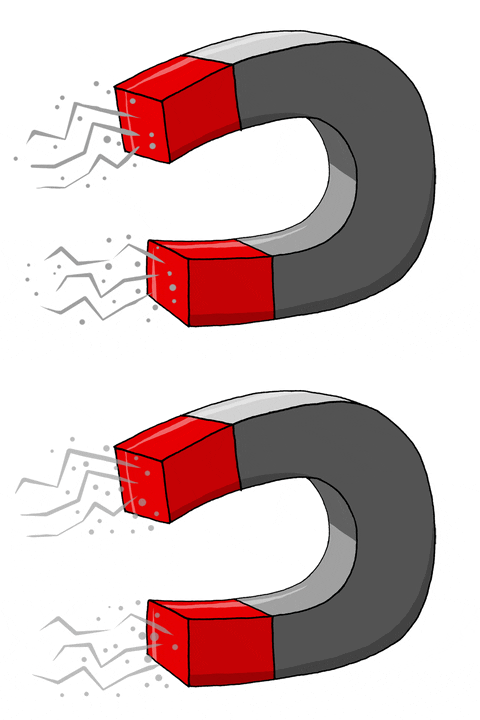
Magnets come in two types. Electromagnets are created by applying electricity to a conductive material like iron. Natural magnets can be anything from the Earth itself, including individually magnetized rocks like lodestone. Scientists don't understand how the electrical current that magnetizes the Earth and some of its rocks is produced.
Magnetic Fields
If you hold a magnet under a piece of paper and sprinkle iron filings on the paper, the filings seem to dance around and eventually settle in a rough oval around the magnet. They are aligning themselves with the magnetic field, or the path the magnet's electricity takes to get from one end of the magnet to the other. These fields of electricity are like closed circles rotating through the magnet. Magnetic fields are the reason magnets are either repelled from or attracted to each other.
Magnetic Poles

All magnets have a north and south pole. These poles are created by the fields of electricity moving through the magnets. Electricity enters the magnet at the south pole and exits it at the north pole. This is why like poles repel each other. Electricity exiting one north pole can only bump up against another north pole; it can't enter it. And it's the same story at the south pole: Electricity can only enter at the south poles, so two south poles are forced apart. However, if you line the south pole of a magnet up to the north pole of another magnet, the energy exiting the north pole of the first magnet can travel into the south pole of the second magnet, in effect creating a new magnet.

miércoles, 18 de abril de 2018
Bichito en clase
Bichito en clase
Mientras en clase nos disponemos a clasificar diferentes hojas y flores, nos hemos encontrado un bichito saltarín y hemos decidido observarlo en el microscopio (de N), esta es la imagen


DESCUBRIENDO LA TINTA EN EL AGUA
TINTA EN EL AGUA
Ponemos la punta de un rotulador dentro del agua en el vaso. La tinta fluye por el agua.


martes, 17 de abril de 2018
Static electricity experiment
Static electricity experiment

First experiment of the video
MATERIALS:
a bottle and a straw
Process:
if we rub the straw with your clothes, the straw charges with static electricity
HECHO EN CLASE


martes, 10 de abril de 2018


martes, 27 de marzo de 2018
STRAWS AND BOTTLES
STRAWS AND BOTTLES
Materials: straws, bottles of water, water and blue tack
hecho en clase
2traws: you blow a straw and the water goes through the other straw


1 straw: the air only goes through a straw so the water can not go out


3 straws: you blow one straw and the water goes through the other straws


martes, 20 de marzo de 2018

miércoles, 14 de marzo de 2018


miércoles, 7 de marzo de 2018


martes, 27 de febrero de 2018
ARTISTS
ARTISTS
We paint the piece of paper with markets and later we add water, the result is this:


When the paper is wet we cannot colour it again


miércoles, 14 de febrero de 2018


martes, 6 de febrero de 2018
PARTES DE LA PLANTA DE UNA LENTEJA. LENTIL PLANT PARTS
LENTEJAS (lentils)

¿CÓMO CRECEN NUESTRAS LENTEJAS?
How do our lentils grow?
How do our lentils grow?
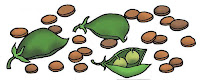
Plantamos semillas de lenteja y les pusimos agua, durante una semana han quedado así, han brotado unas raíces con unos tallos verdes
We plant lentil seeds and we add water. Seven days later, our lentils are like this. They have roots and long stems.
We plant lentil seeds and we add water. Seven days later, our lentils are like this. They have roots and long stems.


We can see their parts in this last picture.


Pasadas dos semanas nuestras lentejas están suuuuuper altas. TOO WEEKS AGO...

The best work


Suscribirse a:
Entradas (Atom)